
The SEC and CFTC on March 17 jointly declared 16 major cryptocurrencies “digital commodities,” ending years of regulatory ambiguity that kept institutional money on the sidelines. Bitcoin, Ether, Solana, XRP, Dogecoin, Cardano, and 10 other tokens are now officially outside the reach of federal securities law.
A digital commodity, as defined in the 68-page interpretive release, is a crypto asset “intrinsically linked to and deriving value from the programmatic operation of a functional crypto system.” In plain terms: if a token powers a working blockchain network and no one is promising investors profit from their management efforts, it is a commodity, not a security.
- The SEC and CFTC classified Bitcoin, Ether, Solana, XRP, Dogecoin, Cardano, Avalanche, Chainlink, Polkadot, Hedera, Litecoin, Bitcoin Cash, Shiba Inu, Stellar, Tezos, and Aptos as digital commodities on March 17, 2026.
- A five-category token taxonomy now covers digital commodities, digital securities, digital collectibles, digital tools, and stablecoins under a single regulatory framework.
- Mining, staking (including liquid staking), airdrops, wrapping tokens, and secondary trading of non-security assets are all exempt from securities treatment.
- The CLARITY Act, which would make these classifications permanent law, is approaching Senate markup with a practical deadline of May-June 2026.
What the SEC actually said
SEC Chairman Paul Atkins announced the guidance at the Digital Chamber’s DC Blockchain Summit in Washington. His line to reporters was blunt: “Most crypto assets are not themselves securities. We’re not the securities and everything commission anymore.”
The interpretation creates five categories. Digital commodities cover the 16 named tokens. Digital securities apply to tokenized stocks, bonds, and traditional financial instruments. Digital collectibles cover NFTs and unique assets. Digital tools include governance tokens and access passes. Stablecoins get their own category with specific conditions for non-securities treatment.
CFTC Chairman Mike Selig matched the tone: “I think the signal is clear now that it’s time to build in the United States.”
The two agencies also signed a Memorandum of Understanding establishing a Joint Harmonization Initiative, led by Robert Teply at the SEC and Meghan Tente at the CFTC, to coordinate ongoing oversight.
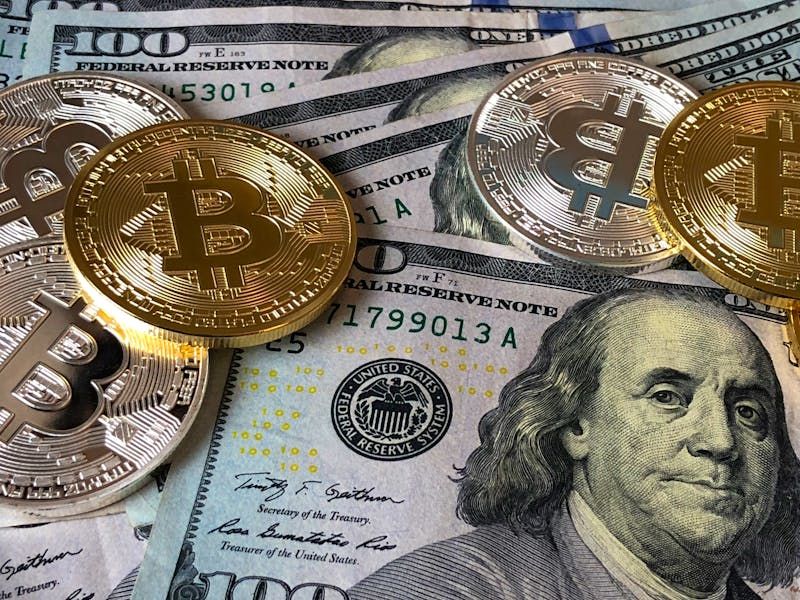
The 16 named assets
The full list: Bitcoin, Ether, Solana, XRP, Dogecoin, Cardano, Avalanche, Chainlink, Polkadot, Hedera, Litecoin, Bitcoin Cash, Shiba Inu, Stellar, Tezos, and Aptos. These 16 represent the bulk of the crypto market by capitalization and trading volume. Their classification as commodities places them under CFTC oversight rather than SEC enforcement.
One immediate effect: exchanges listing these tokens no longer face the legal uncertainty that led to major financial institutions like Morgan Stanley filing for spot Bitcoin ETFs in cautious, piecemeal fashion. With commodity status locked in, the path for new trading products, custody services, and institutional allocation becomes clearer.
Staking and mining are off the hook
Staking is the process of locking up cryptocurrency to help validate transactions on a blockchain network, typically earning rewards in return. The SEC’s previous stance on staking was murky at best. Kraken paid a $30 million settlement in 2023 over its staking program. Coinbase fought the SEC in court over the same issue.
The new guidance settles it. Four staking models are now explicitly exempt from securities law: solo staking, self-custodial arrangements with third parties, custodial staking, and liquid staking. Mining gets the same treatment, classified as an “administrative or ministerial activity.”
Airdrops of non-security tokens where recipients provide no consideration are also excluded. So is wrapping tokens on a 1:1 basis and secondary trading of assets that are not securities.
What still falls under securities law
The guidance draws a clear line. A crypto asset becomes a security when an issuer offers it as “an investment in a common enterprise that comes with promises of profits based on the management’s efforts.” The trigger is the promise, not the technology.
Detailed roadmaps with milestones and funding commitments are more likely to trigger securities treatment than vague statements. Once an issuer has either fulfilled or failed to deliver on those promises, the security status can end.
Non-custodial wallet providers are not considered financial intermediaries under commodity trading regulations. Wallet developers do not need to register as futures commission merchants, provided they do not take custody of user funds.
The CLARITY Act looms
This 68-page document is an interpretive release, not legislation. It carries regulatory weight but can be reversed by a future administration. Making these classifications permanent requires Congress to pass the Digital Asset Market Clarity Act, which passed the House in July 2025 but stalled twice in the Senate.
The stablecoin yield question has been the primary obstacle. Inside negotiations, sources say a compromise is close. The Senate Agriculture Committee advanced its own version on January 29, 2026, though without Democratic support. Senate Majority Leader John Thune has reportedly committed to scheduling floor debate this spring.
The practical deadline is May-June, before midterm election dynamics consume the Senate calendar. The House Financial Services Committee is holding a dedicated tokenization hearing on March 25 to keep legislative momentum alive.
FAQ
What does it mean that 16 crypto assets are now digital commodities?
These 16 tokens, including Bitcoin, Ether, Solana, and XRP, are now regulated as commodities under CFTC oversight rather than as securities under the SEC. This removes legal uncertainty for exchanges, custodians, and institutional investors dealing with these assets.
Is crypto staking still legal in the US after this ruling?
Yes. The SEC and CFTC guidance explicitly exempts four types of staking from securities law: solo staking, self-custodial arrangements, custodial staking, and liquid staking. This reverses years of regulatory hostility toward staking services.
Will the CLARITY Act make these crypto classifications permanent?
The current classifications are interpretive guidance, not permanent law. The CLARITY Act, which passed the House in July 2025, would codify them into statute. The bill is approaching Senate markup with a practical deadline of May-June 2026 before midterm election pressures take over.