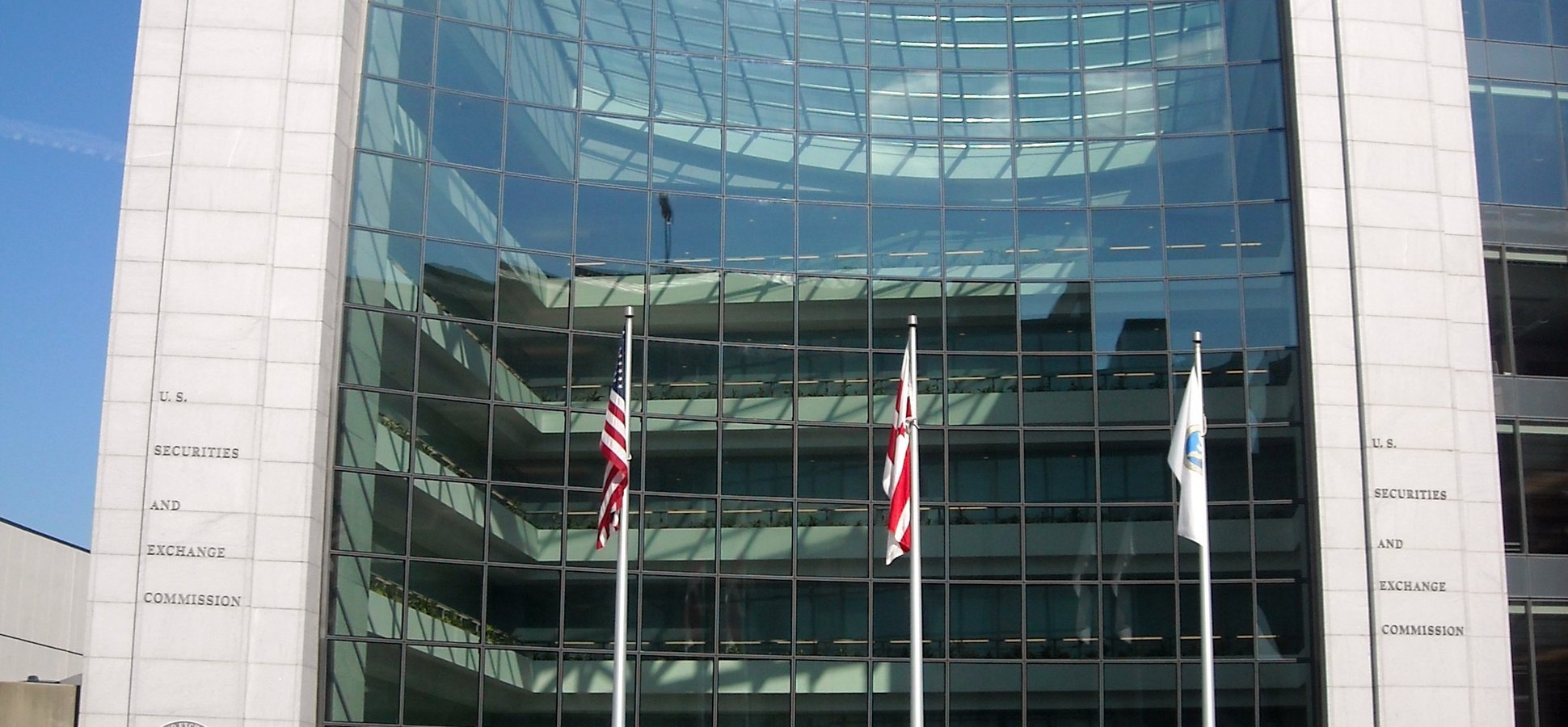
The Securities and Exchange Commission proposed a new rule on Aug. 18 that would let crypto startups raise money without registering as a full securities offering, marking the agency’s first concrete rulemaking step on digital assets since Congress stalled on comprehensive crypto legislation. The rule, called Regulation Crypto Assets, creates two capital-raising exemptions and a safe harbor that could let a token exit securities status entirely once its issuer stops running the project.
A safe harbor is a legal provision that shields a person or company from liability as long as they meet specific conditions set in advance. Under the SEC’s proposal, a crypto asset would no longer count as part of an “investment contract,” the legal test that made many tokens function as securities, once the issuer has finished or permanently dropped the “managerial efforts” it promised investors.
- The SEC proposed Regulation Crypto Assets on Aug. 18, its first formal crypto rulemaking following March’s interpretive guidance.
- A “startup exemption” allows offerings up to $5 million over four years; a “fundraising exemption” allows up to $75 million per year with added disclosure duties.
- A conditional safe harbor would let tokens exit “investment contract” status once issuers stop essential managerial work, and the rule would preempt conflicting state securities registration.
- The public comment period runs 60 days after publication in the Federal Register, with the Clarity Act’s Senate vote still stuck as a backstop.
Published: Aug. 19, 2026, 16:15 UTC
Why the SEC moved now
The proposal builds directly on interpretive guidance the SEC and Commodity Futures Trading Commission issued jointly in March, which found that most crypto assets are not themselves securities. Regulation Crypto Assets goes further by giving issuers an actual rulebook to raise capital under, rather than relying on case-by-case interpretation.
SEC Chairman Paul Atkins framed the move as an effort to keep crypto fundraising inside the U.S. “Advancing this regulatory framework is a key element in our strategy to advance the rule books for the modern era and another step by the Commission to onshore innovation in crypto asset markets for generations to come,” Atkins said in the agency’s Aug. 18 announcement. Commissioner Hester Peirce, a longtime advocate for lighter-touch crypto rules, called it “one step on a long road toward a clear, sensible, enforceable regulatory framework for crypto.”
The timing is not accidental. The SEC had originally scheduled a vote on the proposal for the previous Friday but pulled it at the last minute, citing what a spokesperson described to The Block as an “unforeseen scheduling issue.” That delay came as the Digital Asset Market Clarity Act, the bill meant to give Congress rather than regulators the final word on crypto market structure, keeps missing deadlines in the Senate.
What the exemptions actually allow
Issuers get two paths under the proposal. The startup exemption is a one-time allowance to raise up to $5 million over a four-year period, paired with principles-based narrative disclosures for investors. The fundraising exemption goes further, permitting up to $75 million in any 12-month period, but it comes with strings attached: issuers must supply financial statements and accept ongoing reporting requirements once they use it.
Both exemptions sidestep full registration under the Securities Act of 1933, the anti-fraud and disclosure law that has governed most public offerings since the New Deal. The proposal would also preempt state-level securities registration for offerings made under these exemptions, along with certain secondary-market resales, removing a patchwork of state-by-state compliance that crypto issuers have long complained about.
What comes next for founders and investors
For crypto entrepreneurs weighing whether to base a token launch in the U.S. or offshore, the exemptions offer the first federal path that doesn’t require either a full IPO-style registration or relying on informal enforcement guidance. Projects that can show they’ve wound down their managerial role, such as a decentralized protocol that has fully handed control to its community, stand to benefit most from the safe harbor.
The rule is not final. It now enters a 60-day public comment window after the proposing release is published in the Federal Register, and the SEC could revise the exemption thresholds or safe harbor conditions before adopting anything. White House crypto adviser Patrick Witt said at a SALT conference panel the same day that regulators are prepared to keep issuing rules “whether or not” the Clarity Act passes the Senate, with a procedural vote tentatively set for mid-September.
Traders and existing token holders should not expect immediate market impact. Nothing in the proposal reclassifies assets that are already trading, and any final rule is still months away at minimum. The more immediate effect will be on how new projects structure their token sales going forward.
Frequently asked questions
What is Regulation Crypto Assets?
It is a proposed SEC rule that creates two exemptions from full securities registration for crypto fundraising, plus a conditional safe harbor that can remove a token from “investment contract” status once its issuer stops essential managerial efforts.
How much can a crypto startup raise under the new rules?
Up to $5 million over four years under the startup exemption, or up to $75 million per 12-month period under the fundraising exemption, which requires financial statements and ongoing reporting.
When would Regulation Crypto Assets take effect?
Not yet. It is a proposal open for public comment for 60 days after publication in the Federal Register, and the SEC must still finalize the rule before it applies.