
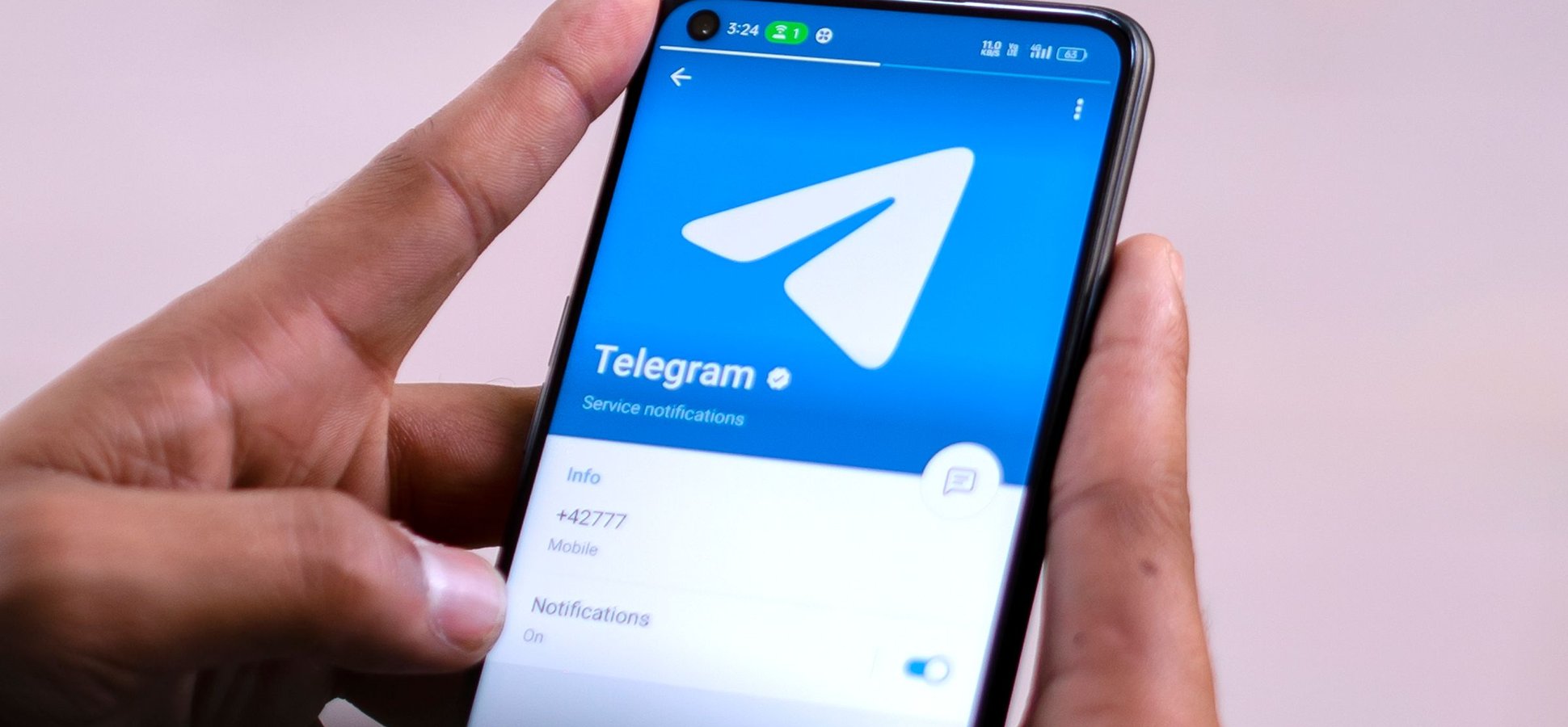
Russia’s Federal Security Service charged Telegram founder Pavel Durov with aiding terrorist activity on Wednesday and issued an arrest warrant placing him on an international wanted list. The FSB said Telegram failed to remove channels, chats and bots that Ukrainian intelligence services and groups Moscow designates as extremist used to coordinate sabotage, cyber fraud and armed attacks inside Russia. The charge carries a maximum sentence of 15 years. The Pavel Durov arrest warrant matters well beyond messaging: two months ago Telegram took over as the largest validator on The Open Network, the layer-1 blockchain better known as TON, which means a $3.8 billion crypto network is now tied to the legal exposure of one man who cannot safely enter Russia.
A validator is a computer that verifies transactions and adds new blocks to a blockchain in exchange for token rewards, and the operators running the most validators hold the most influence over how a network behaves.
Key takeaways
- Russia’s FSB charged Durov with aiding terrorist activity and issued an arrest warrant on July 29, 2026. The charge carries up to 15 years.
- The case grew out of an FSB investigation opened in February 2026 over content the agency says Telegram refused to take down.
- Toncoin traded near $1.39 after the announcement, down about 4% over 24 hours, against a roughly flat bitcoin at $63,875.
- Telegram replaced the TON Foundation as the network’s lead validator in May 2026, concentrating governance risk around Durov.
Published: July 29, 2026, 16:30 UTC
What the FSB is alleging
The FSB traces the case to a February 2026 investigation in which investigators repeatedly demanded that Telegram delete specific content linked to planned and executed attacks on Russian territory. The agency singled out a dating chatbot on the platform, known as Daivinchik or Leo, which it says Ukrainian operatives used to identify and recruit targets. The FSB said 46 Russians between the ages of 12 and 22 were arrested over the past year after being contacted through that channel and directed to attack law enforcement officers or set fire to infrastructure.
Durov denies wrongdoing and has accused Russian authorities of manufacturing pretexts for a full ban on the app. Telegram’s official account on X answered the warrant by posting a photograph of Durov raising his middle finger. He lives in Dubai and holds French and Emirati citizenship, so an arrest is unlikely unless he travels somewhere willing to act on a Russian request. It is not his only open case: French prosecutors indicted him in August 2024 over Telegram’s alleged failure to cooperate with content removal orders, and that investigation remains active.

Why the Pavel Durov arrest warrant reaches TON
Until this spring, TON’s day-to-day operation sat with the TON Foundation, a separate entity that let Telegram keep an arm’s-length relationship with the token. That changed on May 4, 2026, when Durov announced that Telegram itself would replace the foundation as the network’s largest validator and primary steward. Toncoin jumped roughly 36% on the news to $1.86, and traders read the move as Telegram finally committing its user base to the chain.
The same structure now cuts the other way. With Telegram operating the largest validator set and Durov personally directing the company, any action that constrains him constrains the network’s most important operator. That is textbook key-man risk, and it is priced into the token. Toncoin changed hands near $1.39 on Wednesday afternoon, down about 4.1% over 24 hours with a market capitalization of $3.81 billion, while bitcoin was essentially unchanged at $63,875. TON traded at $1.45 earlier in the session and at $1.58 as recently as July 16.
Toncoin turned over roughly $47 million in 24 hours, a fraction of the $630 million it saw during the May validator announcement, which suggests repricing by existing holders rather than a rush of new sellers.
The pressure inside Russia
Telegram counts about 90 million users in Russia out of roughly 950 million worldwide. Roskomnadzor, the state communications regulator, has already throttled download speeds and blocked voice and video calls on the platform, leaving many Russian users dependent on VPNs. The terrorism charge gives the state a legal foundation for a full block rather than the partial degradation it has applied so far.
A Russian ban would not break TON, since most of the chain’s activity is not Russia-specific, but it would cut the funnel that made Telegram-native crypto compelling. TON’s pitch has always been distribution through a messaging app, not raw throughput, even after the Catchain 2.0 upgrade delivered sub-second finality. The pressure runs both ways: Telegram’s t.me domain was briefly suspended this month under a US sanctions action before being restored.
What happens next
Watch three things. First, whether Roskomnadzor escalates from throttling to an outright block now that a criminal charge exists to justify it. Second, whether Interpol acts on the Russian request, which it has historically declined to do for cases it judges politically motivated. Third, whether Telegram moves validator operations or TON governance into a structure that survives its founder, since the current arrangement leaves a $3.8 billion network exposed to a single person’s travel calendar.
Durov has been here before. He left Russia in 2014 after refusing to hand over opposition group data from VKontakte, the social network he founded. The difference this time is that a public blockchain and its token holders are downstream of the outcome.
Frequently asked questions
What exactly is Pavel Durov charged with?
Russia’s FSB charged him with aiding terrorist activity, alleging Telegram refused to remove channels and bots used to coordinate attacks inside Russia. The charge carries a maximum of 15 years in prison. Durov denies the allegations and lives in Dubai, outside Russian jurisdiction.
How does this affect Toncoin holders?
Toncoin fell about 4% to near $1.39 on the news, underperforming a flat bitcoin. The direct risk is governance rather than technology: Telegram runs TON’s largest validator, so legal action against its founder creates uncertainty about who controls the network’s most important operator.
Can Russia actually arrest Durov?
Not easily. He holds French and Emirati citizenship and resides in Dubai, and neither France nor the UAE extradites to Russia in cases like this. The warrant’s practical effect is to restrict his travel to countries that honor Russian requests.
Is Telegram going to be banned in Russia?
No ban has been announced. Roskomnadzor already slows downloads and blocks voice and video calls, and the criminal charge gives regulators a legal basis to go further. About 90 million of Telegram’s users are in Russia.
Sources
- The Moscow Times: FSB issues arrest warrant for Pavel Durov
- Al Jazeera: Russia charges Durov with aiding terrorism
- NBC News: Durov placed on Russian wanted list
- CoinGecko: Toncoin market data





