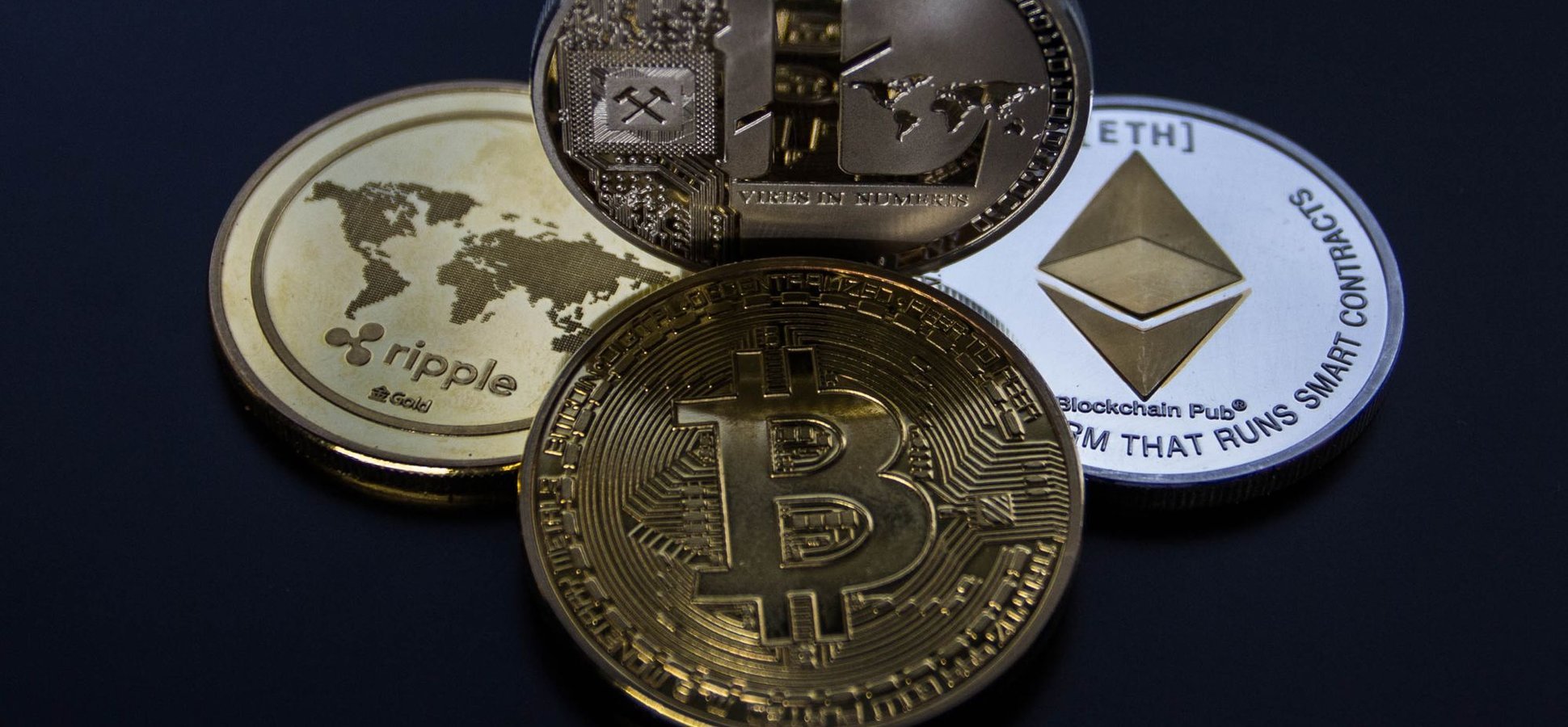
U.S. spot bitcoin exchange-traded funds drew about $85.9 million on June 12, their first session this month in which none of the 12 tracked funds posted an outflow. The session capped a brutal week in which more than $1.67 billion left the cohort over six straight trading days. The bounce did little to change the larger 2026 pattern. Bitcoin and ether ETFs have net-sold billions this year while newer funds tracking XRP and Solana keep pulling in money. The split points to capital rotating inside crypto rather than fleeing it, a shift that is reshaping how institutions place bets across digital assets.
A spot ETF is a fund that holds the underlying asset directly and trades on a stock exchange, letting investors gain price exposure through an ordinary brokerage account.
Key takeaways
- Spot bitcoin ETFs have net-sold roughly $2.6 billion in 2026, reversing $4.3 billion of net buying in the same window of 2025.
- XRP and Solana funds absorbed about $226 million in combined inflows while bitcoin and ether ETFs bled.
- Solana ETFs reached $1.12 billion in cumulative inflows since launching May 26; XRP funds passed $1.37 billion.
- BlackRock’s IBIT holds $62.1 billion in cumulative inflows but $48.6 billion in assets after bitcoin’s 27% year-to-date drop.
Published: June 15, 2026 09:00 UTC
Why bitcoin and ether ETFs are bleeding
The headline cohorts are shrinking. Cumulative net inflows into U.S. spot bitcoin ETFs sat near $53.67 billion on June 12, down from about $58 billion in late April as redemptions piled up. On a year-to-date basis the funds net-sold roughly $2.6 billion, according to CryptoQuant data reported by MarketWatch, a reversal from $4.3 billion of net buying in the comparable 2025 stretch.
Price did much of the damage. BlackRock’s iShares Bitcoin Trust, the largest fund in the category, posted a negative 27% net asset value return for the year, which is why its $62.1 billion in cumulative inflows now translates to only about $48.6 billion in assets. Ether fared worse. BlackRock’s ETHA showed a negative 43% year-to-date return, marking ether as the most distressed of the four ETF categories even when new money trickled in.
The pain was not evenly spread. Within the 12-fund bitcoin group, IBIT carried $62.1 billion in lifetime inflows while Grayscale’s higher-fee GBTC bled $26.85 billion in cumulative outflows. The aggregate figure masks both extremes. Concentration like this has become a defining feature of the U.S. crypto ETF market, a point we covered when BlackRock and Fidelity came to control most bitcoin ETF flows.
XRP and Solana absorb what bitcoin loses
The newer altcoin funds are growing precisely as the majors shrink. XRP ETFs, cleared by the SEC earlier in 2026, crossed $1.37 billion in cumulative inflows by mid-May, the fastest any crypto ETF category has reached its first billion since ether’s 2024 launch. Solana became the fourth ETF category when its products began trading on May 26, and by June 12 the group had pulled $1.118 billion. Bitwise’s BSOL led with $889.4 million, Fidelity’s FSOL added $188.1 million, and a third fund partly offset the group with $102.3 million in outflows.
As bitcoin and ether funds bled, XRP and Solana products absorbed about $226 million in combined inflows over the same window. Two draws explain the pull. XRP carries fresh regulatory clarity after its approval, and Solana funds offer staking yield, with sponsor fees of 0.19% to 0.35% and staking-fee shares ranging from 6% to more than 25%. Staking is the process of locking up a proof-of-stake token to help secure its network in exchange for rewards, a yield mechanism that bitcoin and ether ETFs do not currently pass through to holders.
What the rotation means for institutions
The flows describe a reallocation, not an exit. Money is moving from the established bitcoin and ether vehicles into smaller, narrative-driven funds rather than leaving crypto altogether. That distinction matters for any treasury or asset manager weighing exposure, because it suggests institutional appetite is being redirected, not withdrawn.
Scale is the caveat. XRP and Solana asset bases sit near $1 billion to $1.4 billion each, roughly 40 to 50 times smaller than bitcoin’s. A rebound in bitcoin’s price could pull rotation capital back and stall altcoin momentum within a single session. Structural demand offers limited cover too. Spot bitcoin ETF assets near $102 billion equal about 6.5% of bitcoin’s market value, yet that ownership base did not prevent a 27% drawdown.
The pipeline keeps widening. Morgan Stanley filed for spot bitcoin and Solana ETFs in January, and ARK submitted an S-1 for a CoinDesk 20 basket that excludes bitcoin, moves that could further dilute per-fund flows. For now, one green session is not a trend. A genuine turn would need three or more consecutive inflow days, a marker worth watching alongside the new wave of yield-focused bitcoin products and the broader macro backdrop driving crypto prices.
Frequently asked questions
Are bitcoin ETF outflows in 2026 a bearish signal?
Not cleanly. Cumulative net inflows across U.S. spot bitcoin ETFs stayed about $53.67 billion positive as of June 12, and that session showed stabilization with roughly $85.9 million entering and no fund posting an outflow. Year-to-date net selling of about $2.6 billion reflects both weaker sentiment and forced redemptions tied to bitcoin’s price drop.
Why are XRP and Solana ETFs gaining while bitcoin funds lose money?
The driver is rotation within crypto, not an exit from it. XRP and Solana products absorbed roughly $226 million in combined inflows as bitcoin and ether funds bled. XRP draws on regulatory clarity after its SEC approval, and Solana funds offer staking yield. Their asset bases are also far smaller, so percentage growth looks outsized.
What is the difference between ETF net inflows and assets under management?
Net inflows count the capital created or redeemed since launch, while assets under management reflect those flows plus underlying price moves. IBIT shows the gap clearly: it holds $62.1 billion in cumulative inflows but about $48.6 billion in assets, because bitcoin fell roughly 27% this year and erased paper gains on holdings already in the fund.
Sources: SpotedCrypto, CryptoSlate, Analytics Insight, The Block.