Hong Kong’s Monetary Authority issued its first stablecoin licenses on April 10, 2026, selecting HSBC and Anchorpoint Financial Limited from a field of 36 applicants. HSBC plans to distribute its Hong Kong dollar-backed stablecoin through its PayMe app and HKMA Mobile Banking, giving retail customers direct access. Anchorpoint Financial, a joint venture between Standard Chartered Bank (Hong Kong), Animoca Brands, and Hong Kong Telecommunications (HKT), will work with select business partners as distributors. Both issuers plan to complete system testing and compliance preparation before launching operations later this year.
A stablecoin is a digital token pegged to a traditional currency or asset — here, the Hong Kong dollar — designed to hold a fixed value while using blockchain rails for transfers and settlement.
- HKMA selected 2 of 36 applicants for Hong Kong’s inaugural stablecoin issuer licenses, granted April 10, 2026
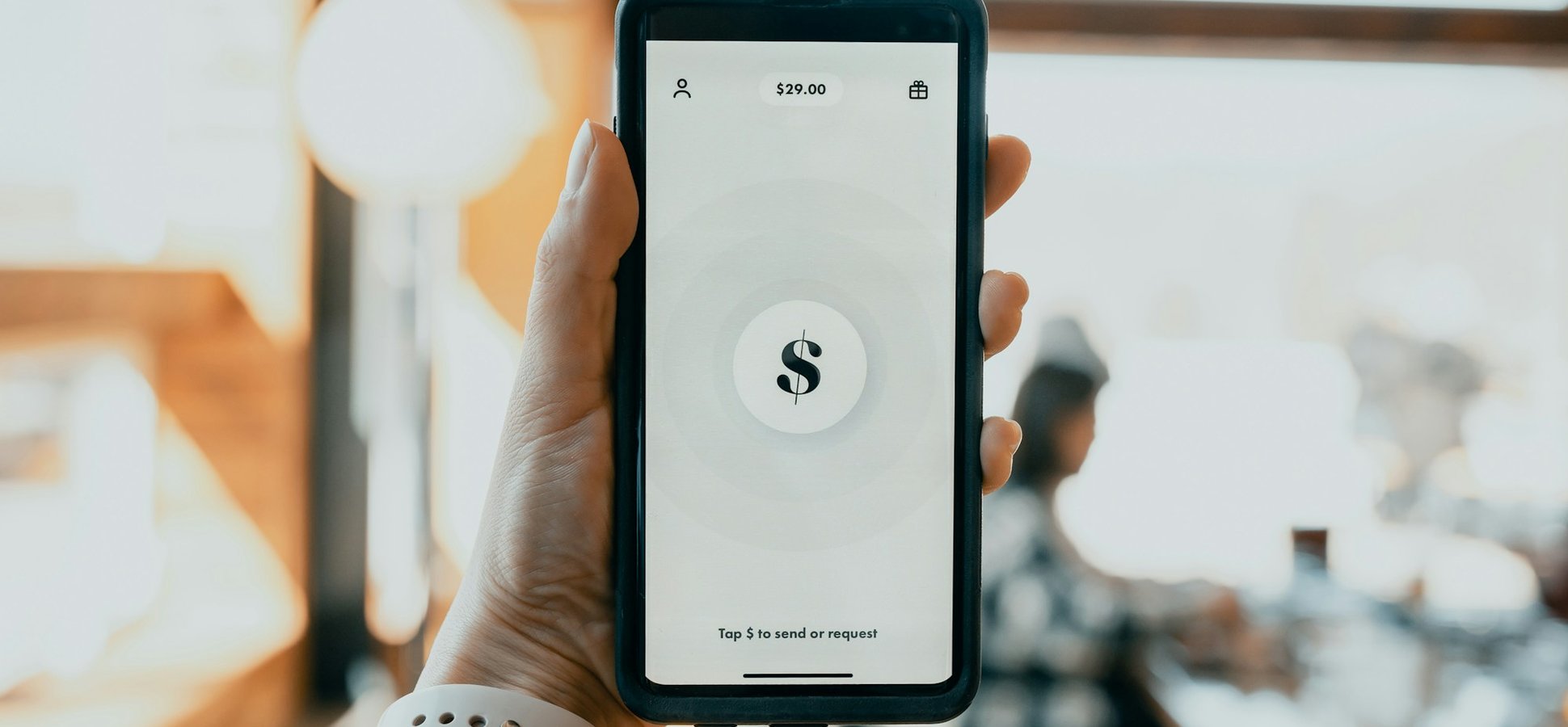
- HSBC’s HKD stablecoin will be accessible via PayMe and HSBC HK Mobile Banking for retail users
- Anchorpoint Financial is a three-way joint venture of Standard Chartered, Animoca Brands, and HKT
- Licensed issuers must hold a minimum HK$25 million in capital and liquid reserves covering 12 months of operating costs
Why Hong Kong moved first
Hong Kong’s Stablecoins Ordinance came into force on August 1, 2025, making the city one of the first major financial centers to establish a formal licensing regime for fiat-backed stablecoin issuers. The HKMA opened applications the same day, receiving 36 submissions from financial institutions, fintech firms, and consortium applicants.
Regulators chose HSBC and Anchorpoint specifically for their “extensive backgrounds in traditional finance and risk management,” according to the HKMA’s April 10 press release. The authority said it wanted to prioritize candidates who could bridge banking infrastructure and digital assets while maintaining strict oversight at the initial stage. The 34 unsuccessful applicants were not named.
HKMA Chief Executive Eddie Yue called the licensing “an important milestone for the development of digital assets in Hong Kong,” adding that the framework enables “robust user protection and effective risk management.”
What the licenses allow and restrict
Both licensed issuers will initially issue HKD-referenced stablecoins only. The ordinance explicitly bans algorithmic stablecoin models, a direct response to the 2022 collapse of TerraUSD, which wiped out roughly $40 billion in market value, according to The Block. Hong Kong’s framework requires full backing with high-quality, liquid reserves, mandatory redemption processes, and clear price stability mechanisms.
Planned use cases extend beyond simple payments. The HKMA has outlined four applications: cross-border remittances, local retail transactions, settlement for tokenized real-world assets, and supply chain financing with programmable payment conditions. These use cases reflect the HKMA’s ambition to position HKD stablecoins as settlement infrastructure, not just a consumer product.
HSBC’s retail-facing distribution via PayMe — a payments app with millions of users across Hong Kong — gives the bank a significant head start in consumer adoption. Anchorpoint’s institutional-leaning approach through partner business distributors targets a different segment: corporate treasury, cross-border trade finance, and tokenized asset markets.
Regulatory requirements for issuers
The Stablecoins Ordinance sets a floor of HK$25 million (roughly US$3.2 million) in minimum capital for licensed issuers. Liquid reserve requirements must cover at least 12 months of projected operating costs. Issuers face ongoing anti-money laundering obligations, transaction monitoring requirements, and technology risk controls.
Before either company launches, the HKMA requires completion of system testing, operational setup, and a compliance check. The regulator has not given a specific date but indicated both companies could begin operations “in the coming few months.” The HKMA also published a Register of Licensed Stablecoin Issuers and warned the public to verify any stablecoin offering against the register before transacting.
What this means for Asian crypto markets
Hong Kong’s move puts pressure on Singapore and Japan, both of which have active stablecoin policy discussions underway but no finalized licensing framework yet. The city’s “same activity, same regulation” principle means stablecoin issuers face comparable oversight to traditional payment service providers — a structure the EU adopted under MiCA and the US is still debating.
For the broader crypto market, the entry of HSBC into HKD stablecoin issuance is a significant signal. Traditional banks have largely stayed on the sidelines of stablecoin issuance, leaving the market to Circle (USDC) and Tether (USDT). If HSBC’s consumer-facing product gains traction, it could accelerate similar moves by other major banks in regulated jurisdictions.
A second batch of stablecoin license applications is already at the advanced stage, according to reports from CoinCu, suggesting the HKMA intends to expand the number of licensed issuers over time.
What is the HKMA Stablecoins Ordinance?
The Stablecoins Ordinance is Hong Kong law that took effect August 1, 2025. It requires any entity issuing fiat-backed stablecoins in Hong Kong to obtain a license from the Hong Kong Monetary Authority. Algorithmic stablecoins are prohibited under the ordinance. The law aims to create regulated infrastructure for digital payments while protecting consumers from reserve-related failures.
When will HSBC and Anchorpoint launch their HKD stablecoins?
Both companies must complete system testing, operational setup, and a final compliance review before launch. The HKMA has not published a launch date, but both licensees have indicated they intend to begin operations within a few months of receiving the licenses granted April 10, 2026.
How does Hong Kong’s stablecoin framework compare to others globally?
Hong Kong’s model requires full fiat backing, bans algorithmic designs, and mandates minimum capital of HK$25 million plus 12 months of liquid reserves. The EU’s MiCA regulation takes a similar approach for e-money tokens. The US has no federal stablecoin law yet. Singapore and Japan are still developing their frameworks, making Hong Kong one of the few jurisdictions with an active, functioning stablecoin license regime.