
Poolin Technology filed for Chapter 11 bankruptcy in New Jersey on July 22, listing roughly $173.1 million in debt against assets it values at no more than $10 million. The Singapore-based company once ran the largest bitcoin mining pool in the world, at one point directing close to a fifth of the network’s computing power. It is not attempting to reorganize. Poolin stopped all mining and hosting on July 10 and is using the bankruptcy process to sell its two West Texas facilities and shut down. The biggest group of creditors is not a bank or a bondholder. It is 11,700 wallet customers who have been unable to withdraw $163.7 million since September 2022.
A mining pool is a service that combines computing power from many separate bitcoin miners so each participant earns steadier payouts than it would mining alone.
Key takeaways
- Poolin Technology and U.S. affiliates Lonestar Dream and Lonestar Taproot filed voluntary Chapter 11 petitions on July 22 in the U.S. Bankruptcy Court for the District of New Jersey.
- Total debt is roughly $173.1 million, of which about $163.7 million is unsecured promissory notes issued to wallet customers after withdrawals were suspended in September 2022.
- Around 11,700 wallet holders with balances above $100 are affected, and their IOU tokens are now unsecured claims in a bankruptcy estate.
- Stalking-horse agreements with Thor CALAP LLC value the two West Texas sites at $52 million combined, under a third of total claims before professional fees.
Published: July 25, 2026, 16:30 UTC
How the biggest mining pool ran out of money
Poolin’s collapse began five years before the filing, when China banned cryptocurrency mining in May 2021 and cut off the company’s legacy operations. The attempt to rebuild in West Texas went badly. Court records describe power allocations that came in below what the company had planned for, equipment ordered in excess of what the sites could run, and $8.8 million in losses on hardware sales between fiscal years 2023 and 2025.
The customer money disappeared separately. Falling bitcoin prices in mid-2022 triggered margin calls from lenders, and Poolin Wallet pledged digital assets as collateral to meet them. In September 2022 the company declared a liquidity crisis, froze withdrawals, and handed customers IOU tokens issued 1:1 against their balances in bitcoin, ether, tether, litecoin, zcash and dogecoin. Prices fell further that winter and lenders liquidated the collateral. The IOUs were never redeemed.
Four years later those placeholders have a legal status they did not have before. They are unsecured claims, which sit behind secured lenders and administrative costs in the payment order a bankruptcy court follows.
What the $52 million sale actually covers
Poolin has signed stalking-horse asset purchase agreements totaling $52 million with Thor CALAP LLC for its two West Texas sites. A stalking-horse bid is an opening offer agreed before an auction that sets a floor other bidders must beat. The Pyote site accounts for $15 million. The Tarbush facility’s power rights and equipment account for $37 million.
Set that against $173.1 million in claims and the arithmetic is unforgiving. Even if the auction clears at the floor price with no improvement, proceeds cover under 30% of what Poolin owes, and that is before legal and professional fees that come out of the estate first. The petition itself estimates liabilities between $100 million and $500 million against assets of $1 million to $10 million.
The bidding remains subject to court approval and to higher or better offers. Poolin told the court it expects competition.
The buyer is paying for power, not for miners
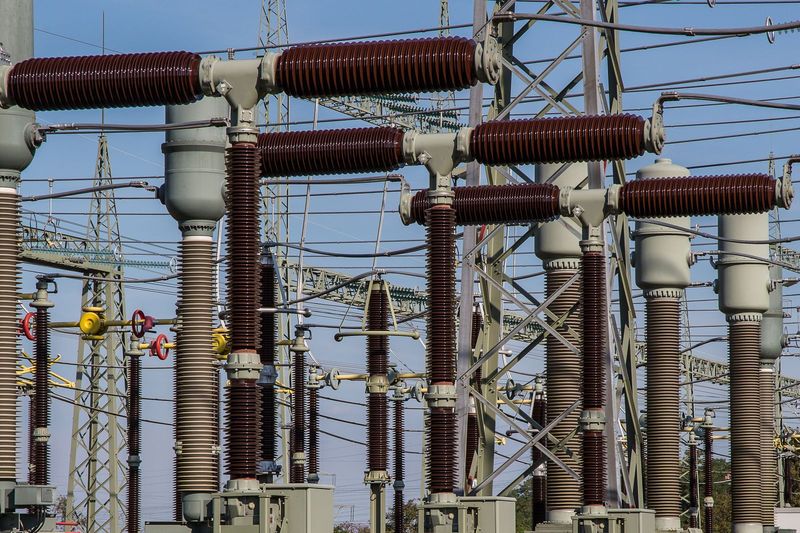
The split between the two Texas sites points at what is actually being sold. Tarbush is valued at more than twice Pyote, with the filing attributing that figure largely to power rights and equipment rather than to the mining operation itself. Poolin noted in court that demand for artificial intelligence data infrastructure could draw additional interest in the sites’ power capacity.
That is the same trade running across the industry. Grid interconnection and megawatt allocations in Texas are worth more to a company training AI models than to a company hashing bitcoin at current prices, which is why miners have been selling bitcoin to fund a $70 billion pivot into compute and why TeraWulf signed a $19 billion AI lease with Anthropic in July. Poolin never made that turn. Its assets are being sold to someone who can.
What creditors should watch next
The auction and sale approval hearing set the recovery ceiling for everyone in the case. After that, Poolin has said it will distribute proceeds under a liquidating plan, meaning the company will not emerge from bankruptcy in any form. Wallet customers should expect the process to run for months and to return cents on the dollar.
The case lands in a stretch of crypto insolvencies with very different profiles. FTX is still distributing billions to creditors because it held assets that appreciated after the estate seized them. Poolin holds $1 million to $10 million and two power sites. Movement Labs filed Chapter 11 earlier this month after its token collapsed. What connects them is timing: firms that froze customer funds during the 2022 downturn and stayed alive on the hope of a recovery are now running out of runway with bitcoin near $64,000, well below the levels that would have made them solvent.
Frequently asked questions
How much will Poolin wallet customers recover?
No figure has been set. The $52 million floor bid for the Texas sites covers under 30% of $173.1 million in total claims before professional fees, and wallet customers hold unsecured claims that rank behind secured creditors and administrative expenses. Actual recovery is likely to fall below that share.
Why were Poolin withdrawals frozen in the first place?
Poolin halted withdrawals in September 2022 during a liquidity crisis. Falling prices had triggered margin calls from its lenders, and the company pledged customer-facing digital assets as collateral. It issued IOU tokens at a 1:1 ratio against user balances instead of returning the coins.
What is a stalking-horse bid?
A stalking-horse bid is a purchase agreement negotiated with one buyer before a bankruptcy auction opens. It establishes a minimum price and set of terms that competing bidders must improve on, which protects the estate from a sale at an artificially low price.