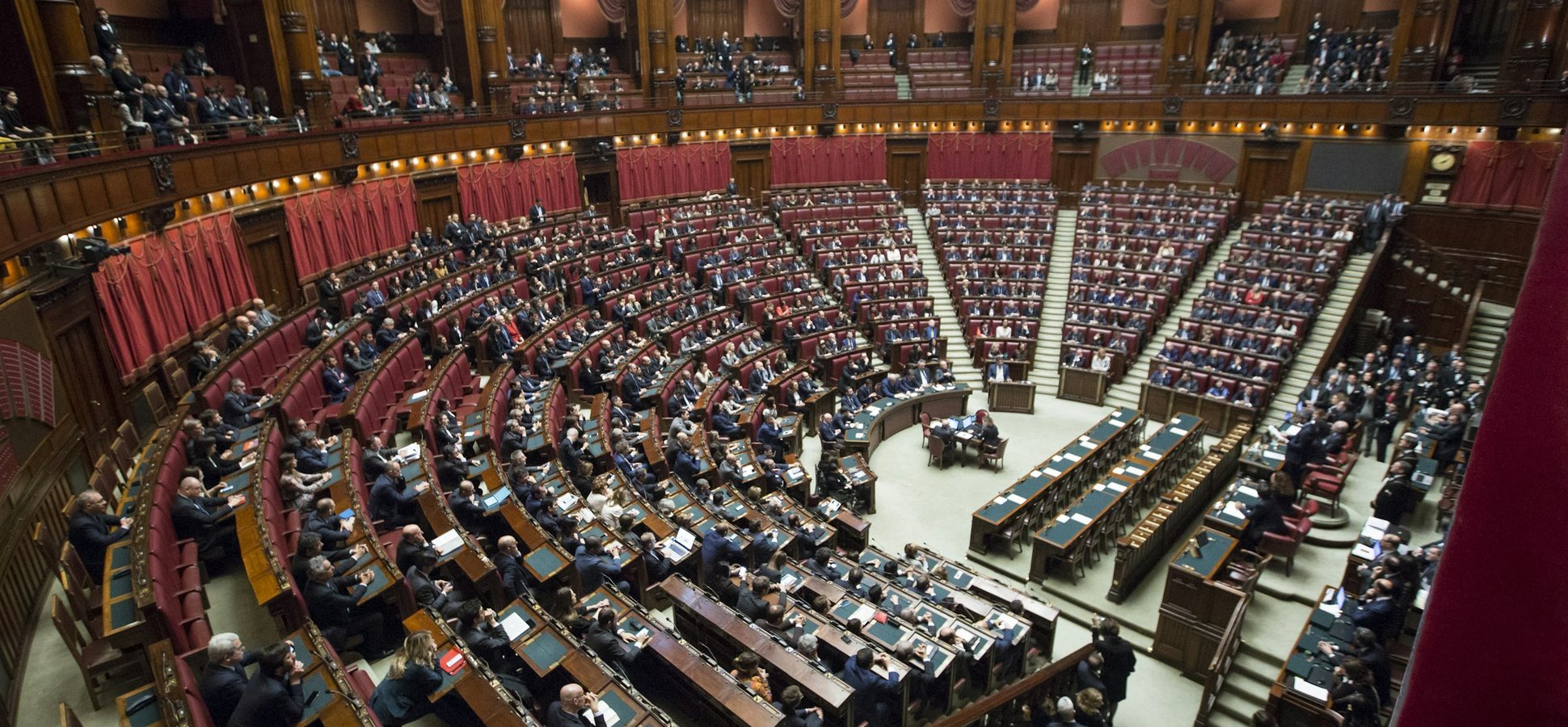
The U.S. Senate voted 85-5 late Monday to ban the Federal Reserve from issuing a central bank digital currency, attaching the four-year prohibition to the 21st Century ROAD to Housing Act. The language bars the Board of Governors and Federal Reserve banks from creating a digital dollar, or any asset “substantially similar” to one, through the end of 2030. Hours later, on June 23, the European Parliament’s economic committee cleared the final hurdle for a digital euro. Two of the world’s largest economies set opposite courses on government-issued digital money within a single news cycle.
A central bank digital currency, or CBDC, is a digital form of a country’s official money issued and backed directly by its central bank, unlike privately issued stablecoins that run on public blockchains.
Key takeaways
- The Senate passed the CBDC ban 85-5 as part of a housing affordability package, with the prohibition running through December 31, 2030.
- The provision exempts “open, permissionless, and private” dollar assets, a carve-out that protects privately issued stablecoins.
- The House is scheduled to hold an expedited floor vote on June 23, after which the bill heads to President Trump’s desk.
- The EU Parliament’s ECON committee approved the digital euro framework the same week, sharpening a transatlantic split on state-issued digital money.
Published: June 23, 2026, 16:30 UTC
Why a CBDC ban landed inside a housing bill
The prohibition arrived not as standalone legislation but folded into the 21st Century ROAD to Housing Act, a bipartisan package built to expand housing supply and restrict corporate landlords from buying up single-family homes. Lawmakers used the must-pass nature of the housing deal to carry the CBDC language across the finish line.
The anti-CBDC text traces back to the Anti-CBDC Surveillance State Act, introduced in the House by Rep. Tom Emmer and in the Senate by Sen. Ted Cruz. The House passed its version, H.R. 1919, on July 17, 2025, but the measure stalled as a standalone bill. Attaching it to the housing package gave it the votes it lacked on its own.
The “directly or indirectly” wording is the core of the provision. It is written to stop the Fed from launching a digital dollar through commercial banks or payment firms rather than issuing one itself, closing a workaround supporters of the ban worried about.
What the ban does and does not cover
The restriction is narrower than a permanent prohibition. It expires at the end of 2030, a four-year window that some conservative House Republicans have criticized for not being permanent. A future Congress could let it lapse or extend it.
The carve-out matters as much as the ban. By exempting dollar-denominated assets that are “open, permissionless, and private,” the bill protects stablecoins, the privately issued tokens pegged to the dollar that already settle hundreds of billions in transactions. The legislation blocks a public digital dollar while leaving room for private companies to keep building dollar-pegged alternatives.
That distinction reflects the Trump administration’s stated position. President Trump signed an executive order in January 2025 barring his administration from advancing a CBDC, which he said would “threaten the stability of the financial system, individual privacy, and the sovereignty of the United States.”
The transatlantic split widens
The timing drew a sharp contrast with Europe. The European Parliament’s Economic and Monetary Affairs Committee approved the digital euro legal framework and ordered immediate trilogue talks to finalize the law, ending roughly three years of disputes between central and commercial banks. EU officials, including ECB President Christine Lagarde, frame the digital euro as a way to protect monetary sovereignty and cut reliance on U.S. dollar stablecoins and payment networks such as Visa and Mastercard.
The two regions are now answering the same questions differently: who issues digital money, how much privacy users keep when they pay, and how much control the state holds over funds. The U.S. is betting on private stablecoins under light-touch rules. The EU is building a public alternative it aims to launch by 2029.
What comes next
The House vote on June 23 is the immediate test. If it passes the expedited floor vote, the housing package, CBDC ban included, goes to the President, who is expected to sign given his executive order on the same subject. The four-year clock would then start, leaving the question of a U.S. digital dollar parked until at least 2031.
Frequently asked questions
What is a central bank digital currency?
A CBDC is a digital version of a nation’s official currency, issued and backed directly by its central bank. It differs from cryptocurrencies like Bitcoin and from private stablecoins because the central bank, not a private company or decentralized network, controls it.
Does the ban affect stablecoins like USDC or USDT?
No. The bill specifically exempts “open, permissionless, and private” dollar-denominated assets, which covers stablecoins. The prohibition targets a government-issued digital dollar from the Federal Reserve, not privately issued tokens.
How long does the CBDC ban last?
The ban runs until December 31, 2030, a four-year window. After that, a future Congress would need to extend or replace it for the restriction to continue.