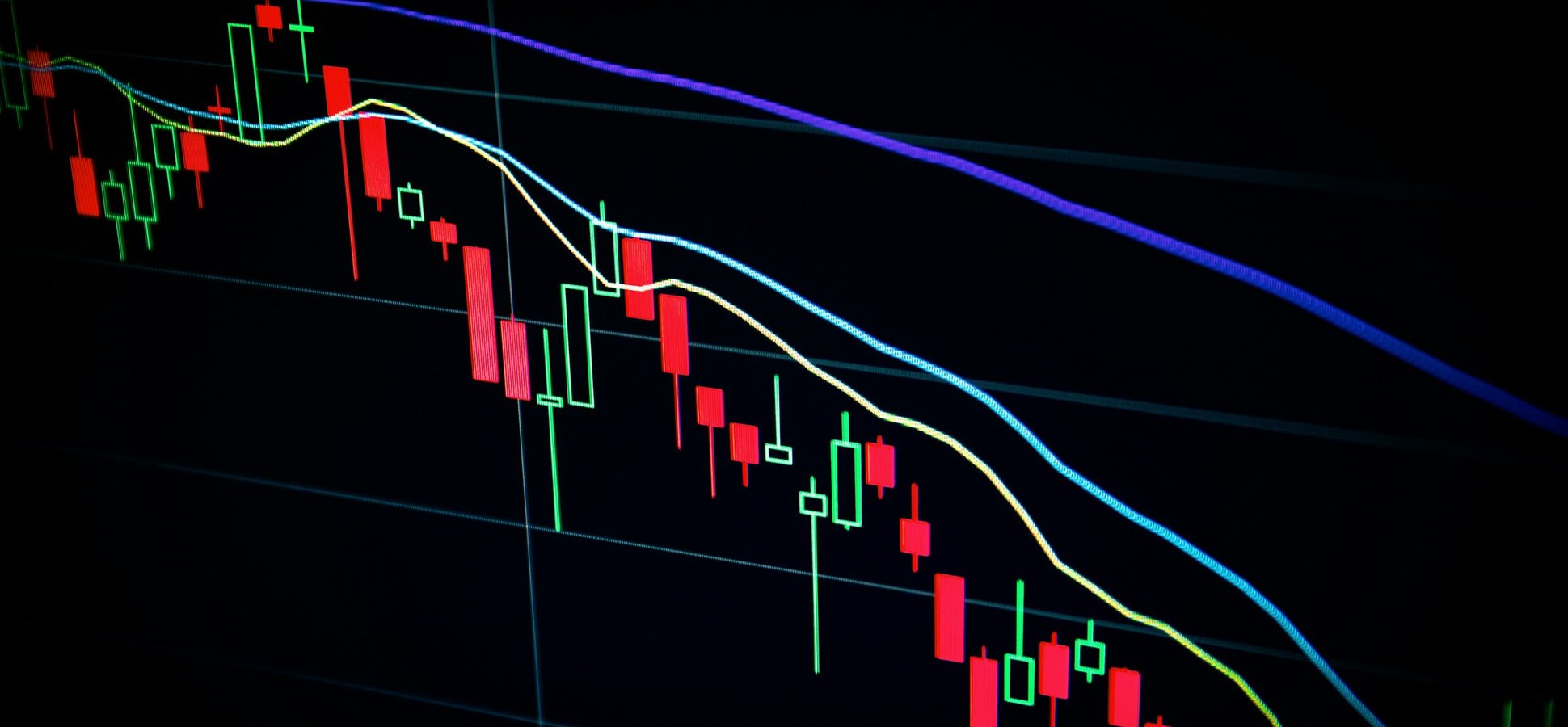
Crypto’s biggest bet for the back half of 2026 just collapsed, and the new Federal Reserve chair lit the fuse. At his first policy meeting on June 17, Kevin Warsh held the federal funds rate steady at 3.50% to 3.75% on a 12-0 vote, a decision markets had fully priced in. The shock came from the projections. The Fed’s updated dot plot flipped from forecasting rate cuts to forecasting hikes, and Warsh stripped out the forward guidance traders had leaned on for a year. Bitcoin slid below $64,000 within hours, ether dropped about 2.4%, XRP fell roughly 2.6%, and more than $440 million in mostly bullish futures positions were liquidated across exchanges.
The dot plot is the chart of where individual Fed officials expect interest rates to go, and it is one of the few signals crypto traders use to forecast liquidity conditions.
Key takeaways
- The Fed held rates at 3.50%-3.75% on June 17, but the dot plot’s median end-2026 projection rose to 3.8% from 3.4%, signaling hikes rather than cuts.
- Nine of 18 FOMC members now see at least one 2026 hike; six see two. Warsh became the first chair to decline submitting his own rate projection.
- Bitcoin fell toward $63,000, with over $440 million in crypto futures liquidated in 24 hours, most of them long positions.
- The sell-off was about expectations, not the rate hold: the cheap-money second half of 2026 that crypto had priced in evaporated.
Published: June 21, 2026, 16:10 UTC
What triggered the sell-off
Markets expected Warsh to leave rates unchanged, and he did. What no one priced in was a wholesale revision of the Fed’s outlook. The median year-end 2026 rate projection climbed to 3.8% from the 3.4% officials penciled in back in March. Nine of 18 policymakers now expect at least one hike before year-end, and six expect two. The Fed also raised its PCE inflation forecast to 3.6%, up sharply from 2.7% in March.
Warsh paired the hawkish numbers with a structural change. He abolished forward guidance, the practice of telegraphing future policy moves, and refused to submit a personal rate projection. Traders accustomed to reading Fed intentions in advance were told to react to incoming data instead. The combined message wiped out the rate-cut trade that had underpinned crypto positioning for months.
Who got hit and how hard
The damage spread across the market within a single trading session. Bitcoin broke below its $64,350 support level and fell toward $63,000. Ether, XRP, and Solana each dropped between 2% and 2.6%. Total crypto market capitalization slid toward $2.1 trillion as the broad market tracked Bitcoin lower.
Leveraged traders bore the worst of it. More than $440 million in crypto futures were liquidated in the 24 hours after the decision, with bullish long positions making up the majority. Many of those traders had positioned for a post-meeting relief rally, betting that a rate hold would clear the way for a recovery. The hawkish dot plot caught them on the wrong side.
The reason the reaction was so sharp comes down to expectations rather than the decision itself. Crypto markets had spent the year pricing in cheaper money for the back half of 2026. Lower rates push investors toward riskier assets like Bitcoin, so the prospect of hikes instead of cuts removed a core pillar of the bullish case.
What comes next
With forward guidance gone, every economic data release now carries more weight. Inflation prints, jobs reports, and consumer spending figures will drive crypto volatility more directly than Fed speeches in the months ahead. Traders pricing in roughly an 80% chance of at least one hike by year-end means any soft inflation reading could spark a relief rally, while a hot one could deepen the slide.
The macro picture is also crowded. A planned US-Iran peace signing collapsed on June 19 after fresh fighting, removing a tailwind that had briefly lifted markets earlier in the week. For more market coverage, see our News Bites section. Bitcoin was trading near $62,200 on June 19, down about 3% on the day. For now, crypto’s direction is tethered to inflation data and the question of whether Warsh’s hawkish debut marks a one-time reset or the start of a tighter stretch.
Frequently asked questions
What is the Fed dot plot and why does crypto care?
The dot plot shows where each Federal Reserve official expects interest rates to go. Crypto traders watch it because lower rates tend to push money into risk assets like Bitcoin, while higher rates pull it out. A shift toward hikes signals tighter liquidity ahead.
How much did crypto fall after the June 17 Fed meeting?
Bitcoin slid below $64,000 toward $63,000, while ether, XRP, and Solana each dropped roughly 2% to 2.6%. More than $440 million in crypto futures, mostly long positions, were liquidated in the following 24 hours.
What did Kevin Warsh change at his first meeting?
Warsh held rates steady but abolished forward guidance and declined to submit his own rate projection, a first for a Fed chair. The dot plot flipped to projecting hikes, with the median 2026 rate rising to 3.8% from 3.4%.